





Blog / Aschenbach Chevrolet GMC Service

Preventative Maintenance For Your Car By Mileage

Preventative Car Maintenance

How Many Miles For Car Maintenance?: Preventative Vehicle Care

Your vehicle is a vital part of your daily life, taking you from work to the grocery store, from doctor’s appointments to weekend getaways. Whether you’re gearing up to start your cross-country adventure or running errands across town, keeping your car healthy and ready to perform in top-notch condition is vital no matter where you go. At Aschenbach Chevrolet GMC, we’ve created this comprehensive guide to help you understand the general preventative car maintenance tasks that should be performed at around 10,000, 30,000, 60,000, and 90,000 miles to keep your car in peak condition. By following these guidelines, you’ll be able to stay on top of preserving your car’s overall performance, reliability, and safety. Visit our service center when you reach the next maintenance milestone in Wytheville, VA! Always consult your owner's manual for specific maintenance schedules and recommendations.
Mileage Based Maintenance

Recommended Car Maintenance By Mileage

Routine Maintenance

Oil and Oil Filter: Modern vehicles often use synthetic oil, which can last between 5,000 and 10,000 miles. Regular oil changes are crucial preventative car maintenance tasks as they prevent the accumulation of metal particles, dirt, and carbon that can cause engine wear. Regularly check the oil level and top it off as needed.

Engine Air Filter: It is important to check and replace the engine air filter every 15,000 to 30,000 miles as part of regular maintenance. This helps ensure optimal vehicle performance and follows manufacturer recommendations.

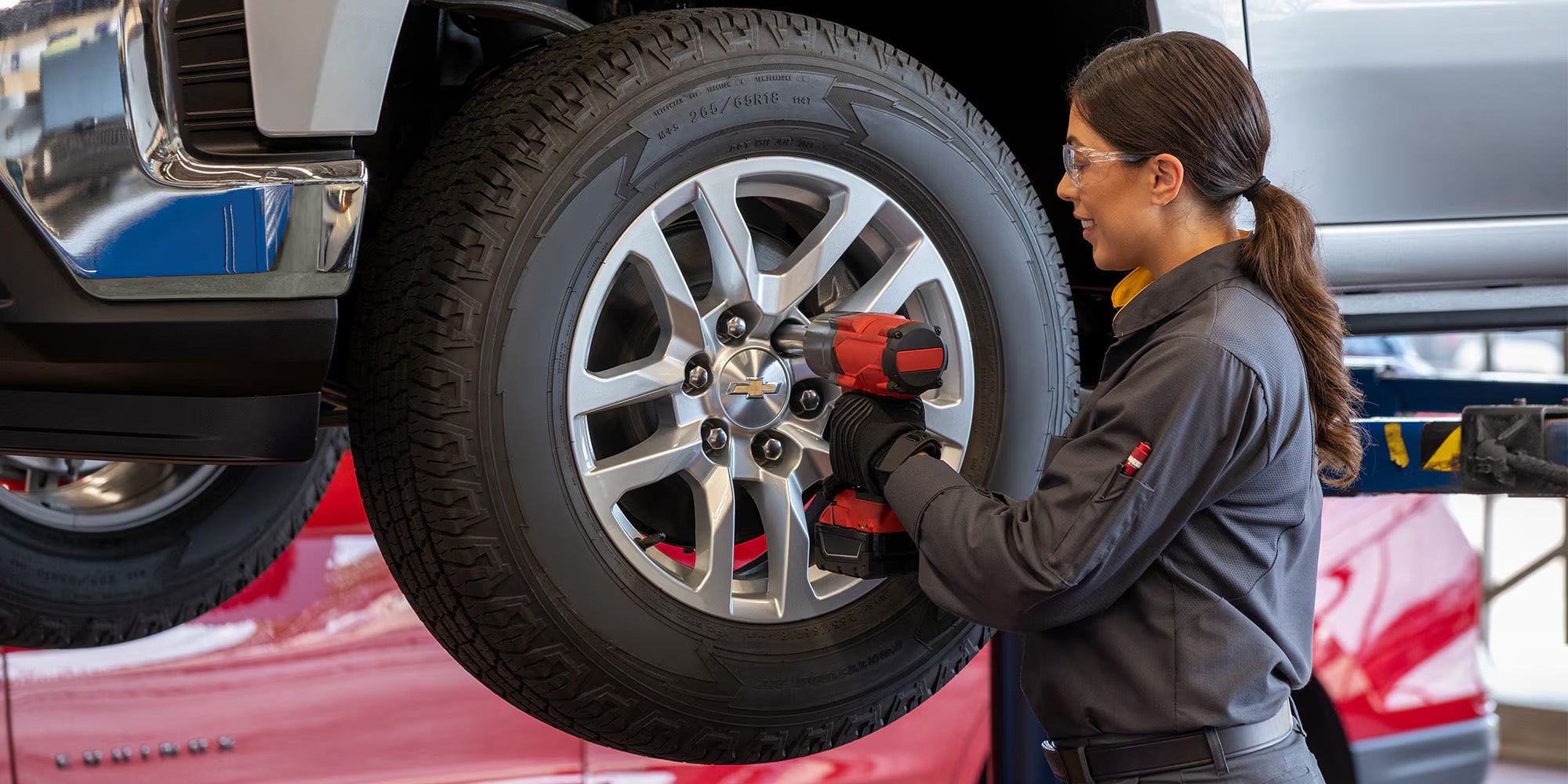
Tires: Get your tires checked for tread depth and proper inflation. Under or over-inflated tires can lead to increased fuel consumption and uneven wear, resulting in prematurely needing new tires or potentially even risking a flat or blowout. At Aschenbach Chevy GMC, have your tires rotated by our master technicians every 6,000 to 8,000 miles to ensure even wear.

Mileage-Based Maintenance Before 30,000 Miles

Air Filter: A clean air filter ensures your engine breathes properly, enhancing performance and fuel efficiency. Change out the air filter of your vehicle every 15,000 to 30,000 miles, especially if you drive in dusty or off-road conditions.

Fuel Filter: Don’t let your fuel filter get clogged, as this can cause your engine to run rough or not at all. Our experts advise that you have the fuel filter replaced every 30,000 miles, though this can vary depending on the vehicle. Please refer to your specific vehicle’s car maintenance schedule by mileage for a clearer look of when this should be performed.

At 30,000 miles, car owners should also inspect their HVAC system along with other components like brake pads, coolant, and radiator hoses.

Vehicle Maintenance Before 60,000 Miles 

Battery: Car batteries typically last 4 to 5 years, correlating to about 50,000 to 60,000 miles for the average driver. Check your battery’s charge and clean the terminals as preventative car maintenance regularly to prevent corrosion.

Brake System: Replace the brake fluid every 20,000 to 45,000 miles to prevent moisture contamination. Regularly check brake pads and shoes, as they usually need replacement around 50,000 miles. Inspect brake rotors at 60,000 miles for wear or warping and replace or resurface them as needed.

Suspension: It is also important to inspect and maintain suspension components along with other essential parts of the vehicle at 60,000 miles.

Coolant: Replace your engine coolant every 60,000 miles. This prevents your engine from overheating and developing severe damage. When bringing your vehicle in for this preventative car maintenance task, ensure that the technician flushes the cooling system during replacement.

Transmission Fluid: For manual transmissions, change the fluid between 30,000 and 60,000 miles. Automatic transmissions vary widely, with some requiring fluid changes from 30,000 to over 100,000 miles. Always consult your vehicle’s manual for specific recommendations.

Car Maintenance Before 90,000 Miles

Hoses: Inspect and replace hoses that carry coolant, power steering fluid, and air conditioning gases as they age and crack. These are essential fluids, and overtime, your vehicle’s hoses may crack and leak, leading to significant issues. This preventative car maintenance task helps to prevent unexpected breakdowns.

Air Conditioning: The air conditioning compressor is another critical component that can fail, especially in older vehicles. Its failure can severely impact the cooling system, particularly during the summer months.

Power Steering Fluid: Smooth and effortless steering is important, and replacing the power steering fluid around 75,000 miles ensures your steering remains responsive and quiet, avoiding costly repairs down the road.

Spark Plugs/Ignition Systems: Spark plugs ignite the fuel-air mixture in your engine, and when plugs are worn down, this can lead to misfires and reduced efficiency. Depending on the type of spark plugs, replacements may be needed anywhere from 30,000 to 100,000 miles. Regular inspections and preventative car maintenance can divert performance issues and ensure smooth engine operation.

Timing Belt: The timing belt keeps your engine’s camshaft and crankshaft in sync and if it fails, it can cause severe engine damage. Vehicles with timing belts should be replaced between 75,000 and 90,000 miles. Timing chains generally last longer but should still be inspected regularly for signs of wear.

Always Consult Your Owner’s Manual

While the intervals mentioned are general guidelines, your vehicle’s owner manual provides a more specific maintenance schedule tailored to your car. It is important to inspect the ignition system along with the spark plugs and spark plug wires every 40,000 to 50,000 miles as part of routine vehicle maintenance. Following these recommendations can significantly extend your vehicle’s lifespan and enhance its performance. Each car is unique, and adhering to manufacturer guidelines ensures optimal performance.

How Many Miles for Car Maintenance

High Quality Care Means High Quality Performance

By adhering to a preventative car maintenance schedule, you can prevent having to pay a significant amount of money out of pocket for repairs and support the life and performance of your vehicle for years to come. Regular maintenance not only protects your vehicle investment but also provides peace of mind, knowing that your vehicle is well cared for. At Aschenbach Chevy GMC, our professional service team is dedicated to helping you keep your car in excellent condition. Our expert technicians can care for all of your maintenance needs and give your car the care it deserves, whether that’s a simple oil change or a comprehensive inspection. Schedule your appointment and visit us in Wytheville, VA, today!

SCHEDULE SERVICE

Posted in:

Related Posts

Fleet Maintenance Plan

The Ultimate Fleet Maintenance Plan: Maximize Uptime, Minimize Costs

Creating Your Company's Fleet Maintenance Schedule Plan An effective fleet maintenance plan strategy is crucial for businesses that depend on vehicles to function smoothly and efficiently. Managing a fleet of delivery trucks, service vans, or work vehicles demands a focus on maximizing uptime while keeping costs low. At Aschenbach Chevrolet GMC, we recognize that any downtime can result in missing out on revenue and reduced operational efficiency. That’s why ensuring your vehicles are always ready for the road is essential for sustaining profitability and enhancing productivity. We’ve developed this ultimate guide to fleet maintenance planning and scheduling, helping you to establish a system that ensures your vehicles stay on the road longer while reducing repair costs and unexpected breakdowns through proactive fleet vehicle maintenance. Schedule your service with our expert fleet technicians in Wytheville, VA, today! The Importance Of Regular Fleet Preventative Maintenance A fleet maintenance plan is a thorough approach aimed at guaranteeing your vehicles run safely and efficiently. Without a structured maintenance approach, fleets are more likely to experience unplanned downtime, resulting in costly repairs and delays. Maximized Vehicle Uptime A well-maintained fleet, through regular fleet maintenance plan tasks, keeps your operations running smoothly without unexpected breakdowns. Lower Repair Costs Regular preventative maintenance and strategically organized maintenance schedules can identify small problems before they grow into larger issues. Enhanced Safety Regular inspections and servicing ensure that each fleet vehicle meets safety regulations, reducing accident risks. Extended Vehicle Lifespan Proper maintenance through a vehicle maintenance plan prolongs the longevity of your fleet, maximizing your return on investment. Regulatory Compliance Many industries require strict adherence to safety and environmental regulations, which routine maintenance can help fulfill. Understanding Fleet Maintenance Types of Maintenance: Preventative, Predictive, and Reactive Fleet maintenance planning can be categorized into three main types: preventative, predictive, and reactive maintenance. Each approach ensures optimal vehicle performance and minimizes downtime. Preventative maintenance refers to the practice of routinely scheduling tasks like oil changes and tire rotations to avert potential problems before they escalate into serious issues. This forward-thinking strategy enables the early detection and resolution of minor concerns, ultimately helping to prevent expensive repairs and reducing downtime. Predictive maintenance leverages data and analytics to forecast the optimal timing for maintenance activities. By leveraging telematics and diagnostic tools, fleet managers can schedule maintenance based on real-time vehicle performance data, ensuring timely repairs and reducing unexpected breakdowns. Reactive maintenance, however, involves repairing vehicles after they have broken down. While sometimes unavoidable, this approach to your fleet maintenance plan can be costly and time consuming, often leading to extended downtime and higher maintenance costs. By focusing on preventative and predictive maintenance, businesses can significantly improve the reliability and efficiency of their fleet vehicles. The Foundation Of Your Success A successful fleet preventative maintenance program starts with a tailored fleet preventative maintenance checklist, which is the foundation of any effective fleet management strategy. Preventative maintenance involves routine inspections, servicing, and repairs designed to prevent failures before they happen. Keeping a fleet maintenance plan is a proactive approach that reduces unexpected breakdowns and ensures that vehicles remain operational when needed most. Key Elements Of A Fleet Preventative Maintenance Program Regular Inspections Conduct daily vehicle checks, including tires, brakes, lights, and fluid levels. Implement a checklist for drivers and technicians to report issues and resolve problems before they escalate. Scheduled Maintenance Services Follow manufacturer-recommended service intervals for oil changes, fluid top-offs, and filter replacements. Regularly rotate tires and perform wheel alignments to reduce uneven wear and improve fuel efficiency. Predictive Maintenance Utilize telematics and diagnostic tools to track vehicle performance and detect early signs of mechanical problems. It’s vital for businesses to leverage data analytics to schedule maintenance based on vehicle usage patterns rather than fix mileage intervals, so that vehicles are always in top shape. Driver Training and Accountability Train drivers to recognize early warning signs of potential issues, such as unusual noises or performance dips. By encouraging proper vehicle usage habits, such as avoiding aggressive acceleration and braking, you can reduce the wear and tear on each vehicle. Creating An Effective Fleet Maintenance Schedule Creating a schedule as part of a well-structured fleet maintenance plan guarantees that vehicles receive regular servicing and inspections without disrupting daily operations. The goal is to balance maintenance needs with fleet availability so your vehicles spend more time on the road and less time in the shop. Steps To Develop A Fleet Maintenance Schedule Assess Fleet Size & Usage Determine how many vehicles require maintenance and their typical workload. High-mileage vehicles may need more frequent servicing than lightly used ones. Establish Maintenance Intervals Establish maintenance programs by setting service schedules based on manufacturer recommendations, mileage, and operating conditions. Consider seasonal adjustments for extreme weather conditions that may impact vehicle performance. Use A Fleet Management System Implement fleet maintenance planning software to track service history, upcoming maintenance, and repair costs. Automate service reminders to ensure vehicles are maintained on time. Minimize Downtime With Staggered Scheduling Schedule maintenance during non-peak hours or rotate vehicle availability to prevent service disruptions. Coordinate with fleet operators to prioritize servicing for high-use vehicles. Track Performance & Adjust As Needed Continuously monitor vehicle performance and adjust the maintenance schedule as needed. Analyze maintenance records to identify trends and areas of improvement. Stay Ahead Of The Game Creating an effective fleet maintenance plan is the key to maximizing uptime and minimizing costs, and by implementing a well-structured program and schedule, businesses can enhance their fleet performance and reliability, improving overall safety and operational expenses. At Aschenbach Chevrolet GMC, we specialize in helping fleet operators optimize their maintenance strategies by providing high-quality vehicles, OEM parts, and professional servicing solutions. Whether you’re managing a small fleet or a large-scale operation, our team is here to ensure your fleet is always performing at its best according to your company’s fleet maintenance plan. Schedule your next service appointment today in Wytheville, VA! SCHEDULE SERVICE

Chevy Traverse Maintenance

Chevy Traverse Maintenance Guide

Chevy Traverse Maintenance Schedule Chevrolet Traverse maintenance is a commitment to preserving the quality, safety, and enjoyment you experience every time you get behind the wheel. Like any sophisticated piece of machinery, the Chevy Traverse requires regular attention to ensure it continues to operate at its best. At Aschenbach Chevrolet GMC, we're here to provide a comprehensive look at the various elements that contribute to the overall maintenance of your Chevy Traverse, from routine services like oil changes and tire rotations to some more involved procedures such as coolant replacements and transmission servicing. Our service team is equipped and certified to help you, and by arming yourself with this knowledge, you'll be better prepared to plan ahead for the upkeep of your Chevy Traverse. Schedule your Chevy Traverse maintenance appointment online today! For detailed maintenance schedules, always refer to the owner's manual to ensure proper care and longevity of your vehicle. Routine Maintenance Schedule: Around Every 7,500 Miles Rotate Tires Uneven tire wear can lead to vehicle handling issues, decreased fuel efficiency, and the need for premature tire replacement. This service, performed around every 7,500 miles, improves handling and maintains an optimal level of fuel efficiency. Change Oil and Filter The engine oil in your Chevy Traverse serves multiple vital functions, including lubricating moving parts, reducing friction, removing heat, and cleaning the engine by carrying away contaminants. Changing the oil and filter around every 7,500 miles at your Chevy Traverse maintenance appointment ensures your engine continues running smoothly, preventing excessive wear and potential overheating. Lubricate Doors Although often overlooked, lubricating the door hinges, and locks is essential for ensuring the longevity of these components. Proper lubrication prevents rust, corrosion, and wear and ensures that your doors operate smoothly and quietly. Regular door lubrication around every 7,500 miles also helps maintain the integrity of your vehicle's seals, contributing to a quieter cabin and preventing water leaks. Maintenance Schedule Between 50,000 and 75,000 Miles Replace Engine Air Filter The engine air filter is essential for safeguarding your engine, as it eliminates dust, dirt, and various impurities from the air before it enters the engine. As the filter accumulates debris over a period, it can get blocked, limiting the clean airflow to the engine. This restriction in airflow can lead to diminished engine performance, thus leading to a decrease in fuel economy and a rise in emissions. Replace Cabin Air Filter The cabin air filter maintains the air quality inside your vehicle by trapping dust, pollen, and other airborne particles. As it becomes saturated with contaminants, it can no longer effectively clean the air, reducing airflow and potentially unpleasant odors inside the cabin. Replacing the cabin air filter between 50,000 and 75,000 miles ensures that the air you and your passengers breathe remains clean and fresh. Taking Care Of Your Chevy Traverse Maintenance Above 100,000 Miles Spark Plugs Replacement Spark plugs are small but critical components that ignite the air-fuel mixture in your engine cylinders, leading to misfires, rough idling, and decreased fuel efficiency. Replacing the spark plugs around 100,000 miles or so can smooth engine performance while improving fuel economy and ensuring reliable starting. Fresh spark plugs also help reduce emissions and prolong the life of your engine by providing complete and efficient combustion. Transfer Case Fluid Replacement In vehicles like the Chevy Traverse, which is capable of all-wheel drive, the transfer case distributes power between the front and rear wheels. The transfer case fluid is vital in lubricating the internal components and sharing smooth operation, but it can degrade and become contaminated, leading to potential drivetrain issues. Changing the transfer case fluid at around 100,000 miles at your Chevy Traverse maintenance appointment helps maintain the proper operation of the all-wheel drive system. Transmission Fluid Service The transmission is one of your vehicle's most complex and critical systems, responsible for transmitting power from the engine to the wheels. Transmission fluid lubricates the transmission's moving parts, prevents overheating, and ensures smooth gear shifts. Regular transmission fluid service around 100,000 miles is crucial to prevent wear and tear, reduce the risk of transmission failure, and extend the life of your transmission. Cooling System Flush With ongoing use, the coolant in your vehicle degrades and becomes contaminated with rust, scale, and other debris. This contamination reduces the coolant's effectiveness, leading to potential overheating and engine damage. An engine cooling system flush at around 100,000 miles at your Chevy Traverse maintenance appointment involves draining the old coolant, flushing out contaminants, and replacing it with fresh coolant. Chevrolet Traverse Maintenance Costs Chevy Traverse maintenance involves regular routine services such as oil changes, tire rotations, and brake inspections, along with more extensive services at higher mileage intervals like engine filter replacements, spark plug changes, and transmission fluid services. While these maintenance tasks are essential for keeping your vehicle and optimal condition, they do come with associated costs. However, adhering to a regular maintenance schedule and meeting your appointments at Aschenbach Chevrolet GMC's service center on time can help you manage these costs effectively and ensure that your Chevy Traverse remains reliable for the long haul. Taking Care Of Your Vehicle By taking a proactive approach to maintenance, you protect your investment and your peace of mind, knowing that your Chevy Traverse is well cared for and ready for whatever journeys lie ahead. At Aschenbach Chevrolet GMC, we understand that managing Chevy Traverse maintenance appointments is an essential concern for our customers. We're committed to providing clear, transparent pricing and the highest quality service. Whether you're coming in for a routine oil change or a more complex repair, our goal is to help you maintain your Chevy Traverse cost-effectively, ensuring your vehicle's continued safety and performance. Schedule your next appointment online today! SCHEDULE SERVICE

GMC Sierra Maintenance

GMC Sierra Maintenance Guide

Taking Care Of Your GMC Sierra Regular maintenance is an essential routine task that, with the proper care, will ensure that your GMC Sierra 1500 or 2500 offers exceptional power and durability for years to come. These trucks are designed to tackle everything from daily commutes to the toughest jobs and off-road adventures. To ensure that your truck is always at the top of its game with performance and remains a reliable companion on all of your journeys, following a regular GMC Sierra 1500 and GMC Sierra 2500 maintenance schedule is absolutely essential. Our team at Aschenbach Chevy GMC has meticulously crafted a comprehensive maintenance schedule tailored to keep your truck running smoothly and efficiently. Schedule your appointment online today! GMC Sierra Maintenance Schedule Routine Maintenance Change Oil & Filter: Regular oil changes are crucial for keeping your engine running smoothly, lubricating the engine’s moving parts while reducing friction and preventing wear and tear. Over a few thousand miles, oil can become contaminated with dirt and debris, which leads to engine damage if it’s not replaced around every 2,500 to 5,000 miles, starting at 7,500 miles. Lubricate Steering & Suspension: Regular lubrication of your GMC Sierra’s steering and suspension system every 2,500 to 5,000 miles, starting at 7,500 miles, is vital for a smooth and controlled ride. This GMC Sierra maintenance service reduces friction and prevents wear and tear to ensure your truck’s handling remains responsive. Rotate Tires: Uneven tire wear can lead to reduced traction from tires balding in one section, increasing the risk of blowouts and reducing overall handling. Rotating your tires around every 5-7,500 miles helps maintain proper performance. Lubricate Doors: Keeping your truck’s doors lubricated helps prevent squeaking and smoothens opening and shutting. This GMC Sierra maintenance service step around every 7,500 miles can extend the life of your door components and prevent issues like sticking or hard-to-open doors. Regular Service After 15,000 Miles Lubricate Hood Hinge: Dirt and moisture that build up under your vehicle's hood can cause the hinge to become stiff or corroded over time. Lubricating the hood hinge allows easier access to your engine bay for routine checks and maintenance, which should be completed around every 15,000 miles during your GMC Sierra maintenance appointment. Lubricate Tailgate: Similarly to the hood hinge, the tailgate also needs regular lubrication to prevent stiffness around every 15,000 miles, especially if you plan to frequently use your truck bed for hauling cargo. Replace Cabin Air Filter: The cabin air filter of your vehicle can become clogged while driving over time, which reduces the airflow and compromises the air quality, introducing dust, pollen, and other airborne particles into your cabin. Replacing the cabin air filter around every 15,000 miles at your GMC Sierra maintenance appointment keeps you and your passengers healthy while driving. Clutch Fluid Replacement: If your GMC Sierra has a manual transmission, replacing the clutch fluid around every 30,000 miles is crucial for maintaining proper clutch operation. If the clutch fluid becomes contaminated, the shifting system will have reduced performance and rougher gear shifts. Replace Transmission Fluid: Transmission fluid that’s low or dirty can cause shifting issues and potential transmission damage, and replacing your vehicle’s transmission fluid around every 30-60,000 miles is essential for smooth gear shifting and transmission longevity. Replace Engine Air Filter: A clogged engine air filter can reduce airflow to the engine by building up dirt and debris, forcing the engine to work harder and consume more fuel. This GMC Sierra maintenance service should be performed every 15,000 miles after the initial 45,000-mile interval. Transfer Case Fluid Replacement: The transfer case distributes power between the front and rear axles in four-wheel drive vehicles. Replacing the transfer case fluid around every 45,000 miles helps ensure proper lubrication and prevents wear on the gears and bearings, maintaining your vehicle's off-road capabilities and overall drivetrain performance. GMC Sierra Maintenance Cost Maintaining a GMC Sierra involves various routine services and occasional part replacements. This cost will always depend on your location, your driving habits, and what you use your pickup for. Keeping Your GMC Sierra Running From regular oil changes to tire rotations to more specialized services like clutch fluid replacement and transfer case fluid checks, maintenance is vital in keeping your truck in optimal condition. With proper maintenance, your truck will perform better and retain its value over time, making it a smart investment for the long haul. At Aschenbach Chevrolet GMC, we're here to help and support you through every step of your GMC Sierra maintenance plan, providing the expertise and dedication you need to keep your GMC Sierra in excellent condition. Schedule your next appointment online today! SCHEDULE SERVICE