





Blog / Wytheville Chevrolet GMC Dealer

Best Trucks for Construction: Power Your Projects

Best Truck for Construction

Find The Best Truck For Your Business

For those working in construction, your truck is your lifeline. Evaluating different cab configurations for work trucks is essential to ensure that the vehicle aligns with the unique requirements of your team and operations. As your mobile toolbox, cargo hauler, and even your personal mobile office, the right truck can make or break your operations if not chosen wisely. At Aschenbach Chevrolet GMC, we understand how important it is to have one of the best trucks for construction to handle the daily grind while offering the reliability and features you need to stay productive. Let’s take a closer look at what makes a great construction work truck and explore the top Chevy and GMC models that contractors swear by. Visit us today in Wytheville, VA!
Construction Work Truck

What To Look For In A Construction Work Truck

Not all trucks are built equal, and not every model can handle the same demands of construction work. Contractors need something powerful, durable, and versatile enough to meet specific needs, from hauling heavy loads to towing equipment to navigating rough terrain.

Here are a few key features to keep in mind when searching for the best trucks for construction.

Power and Towing Capacity

Construction jobs often require moving heavy equipment and materials. A good work truck should have plenty of towing and payload capacity to handle anything from a trailer full of tools to a load of building supplies. Trucks with high-torque engines, like the Chevrolet and GMC heavy-duty models, provide the muscle you need without breaking a sweat, and understanding the gross combined weight rating (GCWR) is crucial for categorizing trucks based on their total weight when towing a fully loaded trailer.

Durability and Toughness

The best trucks for construction need to have every capacity to stand up to harsh conditions, whether it’s muddy job sites, rocky terrain, or extreme weather. Look for trucks with reinforced frames, heavy-duty suspensions, and skid plates to protect vital components. Chevrolet and GMC trucks are built with high-strength steel and rugged engineering to keep you going when the job gets tough.

Versatile Bed and Storage Options

A well-designed truck bed can make your life easier, from toolboxes to cargo management systems. The best trucks for construction come with features like multiple tie-down points, durable spray-in bed liners, and innovative tailgate designs like the GMC MultiPro tailgate, which can help you organize and transport materials efficiently.

Top Chevrolet and GMC Work Trucks 

Chevrolet Silverado 1500

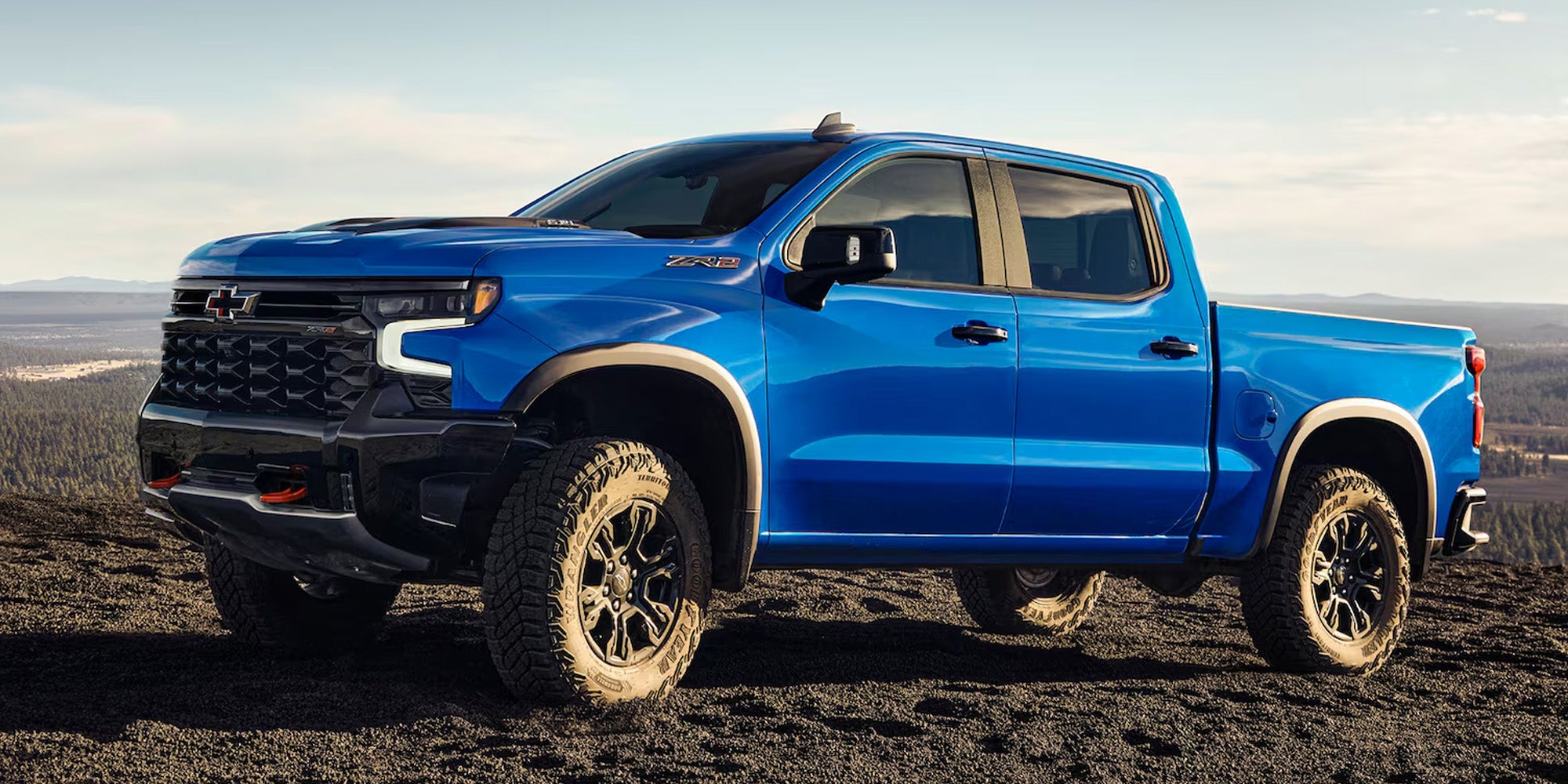
If you and your team need a mix of power and everyday usability, the Chevrolet Silverado 1500 is balanced in every way as one of the best trucks for construction. With a range of engine options, including the highly efficient 3.0L Duramax® Turbo-Diesel, it’s a solid choice for those who want fuel efficiency without sacrificing capability. The Chevrolet Silverado 1500 can tow up to 13,300 lbs. when properly equipped, making it a dependable option for hauling trailers loaded with tools and supplies. The truck bed is equipped with numerous storage options, featuring 12 standard tie-downs that ensure your cargo is secure. Additionally, it offers an available power tailgate, which simplifies the process of loading and unloading your items.

GMC Sierra 1500

The GMC Sierra 1500 is another one of the best work trucks for contractors who want a reliable, work-ready truck with a touch of added luxury. With a maximum towing capacity of up to 13,300 lbs., the GMC Sierra 1500 is ready to take on any construction tasks. This model stands out with its available CarbonProâ„¢ bed, which offers high durability and resistance to dents and scratches, making it perfect for carrying heavy tools and materials. 

Chevrolet Silverado 2500

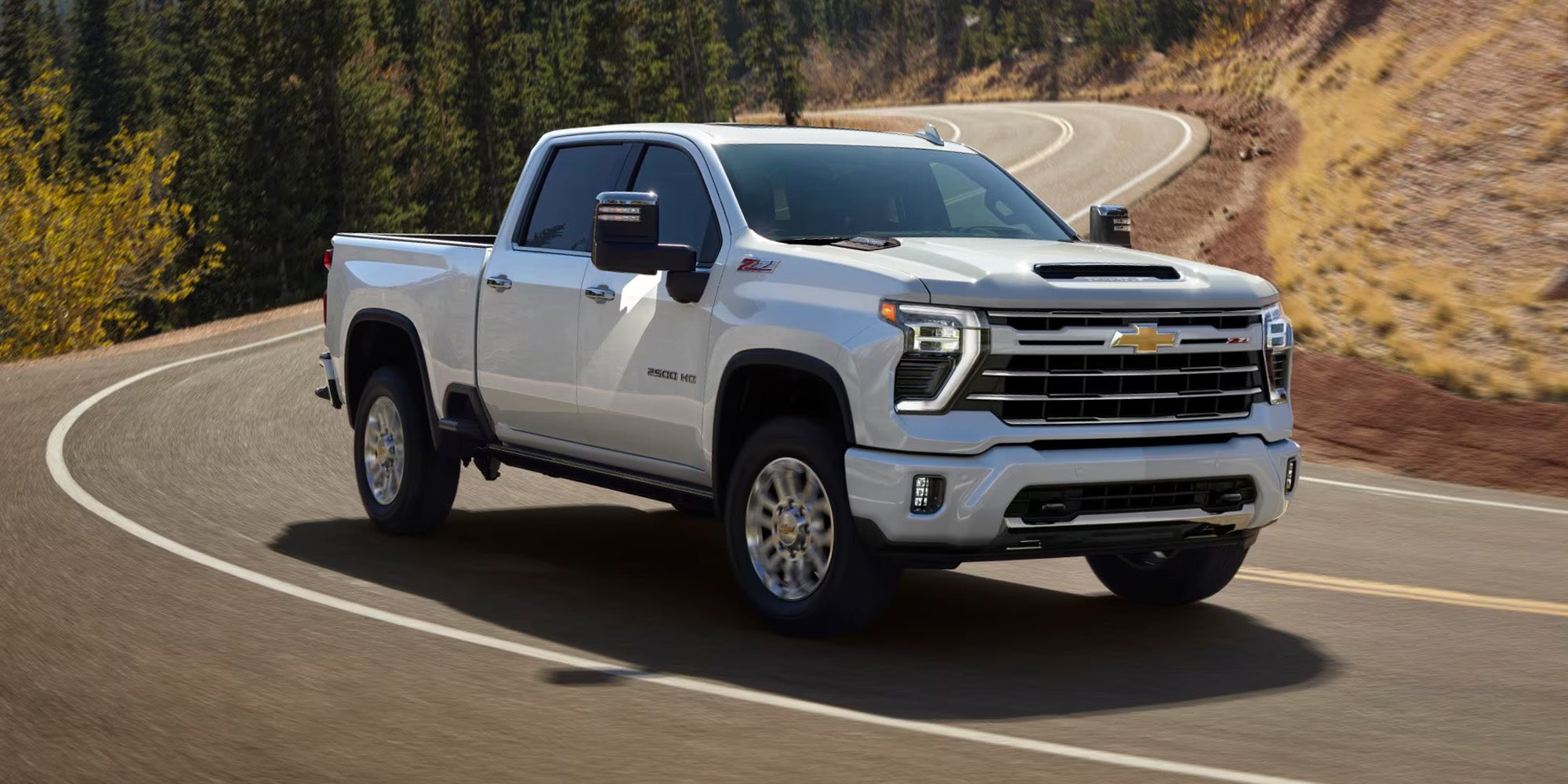
For contractors who need one of the best trucks for construction that can handle serious weight, the Chevrolet Silverado 2500 is a powerhouse. With its available Duramax® 6.6L Turbo-Diesel V8 engine, this truck delivers exceptional towing capabilities and an impressive torque output to tackle the heaviest loads. The Chevrolet Silverado 2500’s high-strength steel frame and advanced trailering technology make it an exceptional choice for those who regularly haul large trailers or heavy equipment. Inside the cabin, you’ll find a range of tech features that make your workday more efficient, including multiple camera views to assist with trailer hookup and navigation in tight job site spaces.

GMC Sierra 2500

If you’re looking for one of the best trucks for construction that blends raw power with premium comfort, the GMC Sierra 2500 delivers. Equipped with the available Duramax® diesel engine, it offers an impressive towing capacity of up to 21,870 lbs., and is an excellent choice for hauling heavy-duty construction equipment. The GMC Sierra 2500’s ProGrade Trailering System takes the guesswork out of towing with an in-vehicle trailering app that monitors everything from trailer lights to tire pressure. One standout feature is the MultiPro Tailgate, which provides multiple loading and unloading options to help contractors work more efficiently. Beyond its rugged performance, the GMC Sierra 2500’s interior is refined with premium materials and comfort gestures that make those long job site commutes a little easier.
Best Work Trucks for Contractors

The Right Truck For Every Job

Your work truck is a crucial part of your operation, whether hauling materials to the job site, towing heavy equipment, or using it as a mobile office. Choosing the best truck for construction can make all the difference in getting the job done efficiently and effectively, and at Aschenbach Chevrolet GMC, we’re committed to helping you find a truck that works as hard as you do. Our expert team is here to offer advice, provide flexible financing options, and give you ongoing support to ensure your investment in the best trucks for construction keeps delivering for years to come. Stop by our dealership in Wytheville, VA, today or browse our inventory online to explore our lineup of work-ready trucks!


SHOP NOW

Posted in:

Related Posts

How to Sell Your Car in Virginia

How To Sell Your Car In Virginia: Title Transfer, Taxes, and More

How to Sell a Used Car in Virginia At Aschenbach Chevrolet GMC, we understand that parting ways with your current vehicle can be both exciting and overwhelming. Whether you’re upgrading to something newer or simply trying to downsize, selling your car in Virginia involves a few important steps that every seller should know. From title transfers to taxes and required paperwork, including the forms you need to submit to the DMV, we’re here to guide you through the entire process. If you’ve been wondering how to sell your car in Virginia, you’ve come to the right place. Visit us today in Wytheville, VA! How Do I Sell My Car Privately in Virginia? The first step in learning how to sell your car in Virginia is understanding your car’s current market value. Accurate pricing will help attract serious buyers and avoid long wait times. Consider using online appraisal tools or visiting a trusted dealership like Aschenbach Chevy GMC for a quick valuation. Once you know your vehicle’s worth, clean and photograph it to make a good first impression. You’ll need to gather all relevant documents, manage all the paperwork, ensure your title is clear (meaning there are no outstanding loans), and meet with potential buyers who may want to inspect and test-drive the vehicle. If your original title is lost or stolen, you will need to obtain a substitute title. This involves filling out the necessary forms and providing the required documents to ensure a smooth transaction. It’s always a good idea to meet in public places and let a friend or family member know where you’ll be. Understanding Title Transfer in Virginia To complete a title transfer when pursuing how to sell your car in Virginia, you must first sign the title over to the buyer. On the back of the Virginia Certificate of Title, you'll find a section where you can input the odometer reading, the buyer’s information, and your signature. Both parties must fill this out completely and accurately. Once the title is signed, the buyer takes the completed title to the Virginia Department of Motor Vehicles (DMV) to register the vehicle in their name. If there's a lien on the title, you'll need to ensure the lien has been satisfied and officially released before the title can be transferred. If you’re unsure whether your lien is clear, you can always contact your lender or check through the DMV. Do I Have to Pay Taxes When I Sell My Car in Virginia? As the seller, you are not responsible for the sales tax. This means that after you’ve figured out how to sell your car in Virginia and transferred the title, there’s no tax liability for you to worry about. However, you do want to be upfront about the selling price on the bill of sale and title documentation. If the DMV believes the vehicle was significantly undervalued, they might assess taxes based on fair market value instead of the sale price. What Paperwork Do I Need to Sell My Car in Virginia? Selling a vehicle involves several key documents that you’ll need to gather before you list your car or meet with a potential buyer. Vehicle Title This is essential for transferring ownership. It must be in your name and free of liens, unless the lienholder provides a lien release letter. Bill of Sale While not always legally required in Virginia for private sales, a bill of sale is highly recommended. It serves as proof of the transaction and outlines the terms, including the sale price and date. Virginia Safety Inspection Certificate While not required for the sale, many buyers will want reassurance that the vehicle is roadworthy. If your inspection is up to date, it can add value to the sale. Lien Release (if applicable) If you’ve paid off a loan but the DMV hasn’t updated your title, you’ll need a lien release document from the lender. Having all this paperwork ready ensures a smoother transaction and builds confidence with the buyer. Canceling Registration and Insurance Once you’ve figured out how to sell your car in Virginia, the next step is to remove yourself from any ongoing obligations including canceling the vehicle’s registration with the DMV and notifying your insurance provider. In Virginia, sellers are encouraged to return their license plates to the DMV. You can either mail them or drop them off at a local branch. While not mandatory, it’s a smart step for preventing future confusion, especially if the new owner delays registration. Likewise, you should cancel or transfer your car insurance policy as soon as possible. If you're buying another vehicle, your insurer can usually transfer coverage over to your new ride. If not, canceling promptly helps you avoid unnecessary premiums or issues if the buyer gets into an accident before updating the registration. Selling Your Car Through a Dealership If you’re looking to save time or avoid the hassle of private sales, exploring how to sell your car in Virginia through a dealership like Aschenbach Chevy GMC can be a smart alternative. We handle the paperwork, title transfer, and payoff if you still have a balance on your loan. Even if you’re not buying your next vehicle from us, we are still interested in purchasing your used car. We offer competitive appraisals and same-day payments. Want To Sell To Our Dealership? Knowing how to sell your car in Virginia the right way can save you from headaches and legal issues. Whether you’re conducting a private sale or working with a dealership, title transfers, taxes, and documentation all play critical roles. The key is preparation, so gather your documents, price your vehicle accurately, and complete the necessary steps to ensure a smooth and legal transaction. At Aschenbach Chevy GMC, we're here to answer your questions, provide guidance on how to sell your car in Virginia, and help you take the next step toward your new car or simply closing the chapter on your old one. Visit us today in Wytheville, VA! SELL YOUR CAR

How Long Does It Take to Sell a Car

How Long Does It Take To Sell A Car? What To Expect

How Fast Do You Want To Sell Your Car? How long does it take to sell a car? Whether you're hoping to make room in the driveway, cash in on your vehicle’s value, or trade up to something new, the timing can have a big impact on your plans. The answer depends on where, how, and to whom you sell. At Aschenbach Chevy GMC, we’ve helped hundreds of drivers throughout our community sell and trade in vehicles with confidence. We’re here to walk you through what to expect, what factors affect the timeline, and why selling to a dealership might be the smartest move if time and peace of mind matter to you. Visit us today in Wytheville, VA! How Will You Choose To Sell? When customers ask us, “How long does it take to sell a car?” Our first response is that it depends on your method. Are you selling it privately? Trading it in? Using an online platform? Or are you considering selling it directly to a trusted dealership like Aschenbach Chevy GMC? Each route comes with its own timeline and, more importantly, its own pros and cons. Private sales can take anywhere from a few weeks to several months. You’ll need to photograph your car, write up descriptions, list it on various sites, communicate with interested buyers, handle test drives, negotiate pricing, and navigate paperwork. It’s a hands-on process that demands your time and attention, and there's no guaranteed timeline. In contrast, selling or trading in your vehicle at a dealership is by far the fastest and most efficient way to complete the process. How fast can you sell a car? Many of our customers are able to walk in with their vehicle and walk out with a check or a trade-in agreement on the very same day. Average Time to Sell a Car Privately If you’re selling your car on your own, you’re likely in for a waiting game. How long it takes to sell a car privately hovers around 30 to 60 days, although this can vary based on the time of year, your vehicle’s condition, mileage, market demand, and your asking price. A well-priced, late-model car in good shape may sell in a week. However, just because a car looks excellent, it doesn't necessarily justify a high price tag, as market value and other factors must be considered. A high-mileage or niche vehicle may sit unsold for months. Then there’s the added complexity of vetting potential buyers. Unfortunately, scams are common in the private auto sales world. Between flaky buyers, lowball offers, and no-shows, the timeline often stretches further than expected. How long does it take to sell a car to a dealership? Selling your car to Aschenbach Chevy GMC, where you can receive a competitive offer, takes under an hour. We inspect your vehicle, assess its market value using real-time data, and walk you through your options. If you’re trading in for another vehicle on our lot, we streamline everything into one seamless transaction. How Long to Sell a Car Online Online platforms promise convenience, but how long does it take to sell a car online? Marketplace listings can expand your reach, but they often come with logistical hurdles. Once you get an offer, there’s usually a waiting period for inspection, vehicle pickup, title transfer, and final payment. The process can take anywhere from a few days to a couple of weeks, assuming there are no delays or issues. When you work with a local dealership like Aschenbach, there's no guessing. We walk you through everything on-site, offer same-day appraisals, and take care of all the paperwork at the dealership. Factors That Impact How Long It Takes to Sell a Used Car Several factors influence how long it takes to sell a car, no matter the method. Understanding them can help you set realistic expectations and make a wise decision about where to sell. Vehicle Condition Clean, well-maintained cars sell faster. Making necessary repairs can significantly improve the attractiveness of a used car for potential buyers. Cosmetic damage, interior stains, or mechanical issues can delay your sale unless you’re willing to price aggressively. Mileage Lower mileage typically means a faster sale. Buyers look for vehicles with plenty of life left. Seasonality Certain vehicles sell faster at specific times. Convertibles in summer. 4x4 trucks in winter. Tax refund season can also boost buyer activity. Pricing Overpricing is the #1 reason private sellers struggle. At Aschenbach Chevy GMC, we provide a fair market evaluation based on real-time sales data, so that you don’t have to guess. Title Status A clear title makes for a quicker sale. Having outstanding car payments can complicate the selling process, as potential buyers typically prefer to deal with a free and clear title. If you still owe money on your car, we can work with your lender to close the gap and handle the paperwork. Trade-In vs. Direct Sale: What’s Right for You? If speed is your priority, trading in your vehicle at a dealership is almost always the fastest option. But even if you don’t plan on buying another car, Aschenbach Chevy GMC will still buy your vehicle outright. We’re always looking for quality used cars, trucks, and SUVs for our pre-owned inventory, and we’re happy to make a fair cash offer. How Long Does It Take to Sell a Car? Privately selling a car could take weeks or even months. Online platforms offer speed but often lack the human touch and instant certainty. Dealerships like Aschenbach Chevy GMC offer the best of both worlds with speed, transparency, and personalized service. Whether you’re looking to sell, trade, or explore your options, our team is here to help you through every step. Visit us today in Wytheville, VA! SELL YOUR CAR

Negative Equity Trade-In

How To Trade In A Car With Negative Equity

Need Help Getting Right-Side Up? At Aschenbach Chevy GMC, we've seen it all when it comes to trading in, from upside-down loans and rapid depreciation to customers stuck in vehicles that no longer meet their needs. Suppose you're considering a negative equity trade-in. In that case, you're not alone, as many drivers find themselves in this situation, especially after buying a car with little to no down payment or after rapid depreciation on a vehicle that they financed years ago. Trading in a car with negative equity can be done with the right strategy and guidance, and in this article, we'll walk you through everything you need to know when it comes to negative equity trade-ins. Visit us today in Wytheville, VA! What Is Negative Equity? Negative equity occurs when your car loan’s balance exceeds the current value of your vehicle. A longer loan term can increase the risk of negative equity due to ongoing depreciation of the vehicle, which may also lead to higher interest payments over time. Let’s say your car is worth $15,000, but the loan balance is $19,000, so in result you would have $4,000 in negative equity. As new cars depreciate quickly, the situation isn’t uncommon, because vehicles lose up to 20% of their value in the first year alone. If you financed most or all of your vehicle’s cost, your loan may be outpacing the resale value for a while. A negative equity trade-in involves trading in your car in a way that the difference would be made up through various means, including opening a new loan, paying in cash, going cheaper on your next vehicle, or opting for a lease. Can I Trade In A Car With Negative Equity? Yes, you can opt for a negative equity trade-in; the key is understanding your options and making a plan. When you visit Aschenbach Chevy GMC, we’ll assess your current vehicle and help determine whether it makes sense to roll the balance into a new loan, cover the difference in cash, or explore other creative solutions. Working with an experienced dealer like ours makes a huge difference. We've helped hundreds of customers navigate negative equity trade-ins, and we'll do the same for you with transparency and care. The Best Way to Trade In A Car With Negative Equity The best path for trading in your vehicle depends on your current financial position, your next vehicle, and how much negative equity you're working with. Roll The Negative Equity Into A New Loan You can roll the negative balance into your next vehicle loan if you qualify. This option is common but should be approached cautiously, especially if you're already stretching your budget. For example, if you owe $4,000 more than your vehicle is worth and you buy a new car for $28,000, your new loan would be  $32,000. Keep in mind this increases your monthly payments and could lead to more negative equity if the new vehicle depreciates quickly, and it’s recommended that you don’t exceed 125% of your loan-to-value ratio. The strategy works best when you have a stable income with good credit, you're planning to buy a vehicle with strong long-term value, or you plan to hold on to the new vehicle long enough to regain equity. Pay The Difference In Cash If you have some savings available, think about addressing the negative equity directly with your own funds. One option to trade in a vehicle with negative equity is to pay off the difference out of your own pocket. While it might be painful initially, it helps you avoid starting a new loan at a disadvantage and can save you significant money over time, especially on interest. We’ll work with you to determine exactly how much you need to pay to break even on your trade. Choose A More Affordable Vehicle Sometimes, it makes more sense to trade down for your negative equity trade-in. Choosing a more affordable vehicle can offset the cost of rolling over some negative equity while still lowering monthly expenses. At Aschenbach Chevy GMC, we carry a wide selection of quality used and certified pre-owned vehicles that may fit this bill perfectly. In some cases, we can even help you trade it into a newer vehicle with lower payments than what you're paying now. Lease Instead of Buy Leasing can be a good option for customers in need of a negative equity trade-in. While the rolled-over balance will still affect your lease payment, leasing tends to have lower monthly costs overall, especially if you're trading in a vehicle that's becoming too expensive to maintain or finance. Our specialists can help you determine whether it might ease the financial burden and give you a clean slate in a few years. How Much Negative Equity Can I Roll Over? The answer depends on your credit, the vehicle you're purchasing, and the loan structure. Lenders typically consider the total loan-to-value ratio when deciding how much negative equity they want to finance. Most lenders will finance up to 120 to 130% of the vehicle's value, though this can vary. For example, if you're buying a vehicle worth $30,000, some lenders will allow a total loan of $36,000 to $39,000, including rolled-over negative equity, taxes, and fees. Your best bet would be to sit down with our finance team so that we can show you realistic numbers based on your credit profile and help you understand what's possible without putting you in a risky position. We're Here To Help At Aschenbach Chevy GMC, we know that real life doesn't always go according to plan. You may have had to buy a car quickly to have a reliable commuter for work, or your previous vehicle lost value faster than expected. Whatever your reason, negative equity trade-ins don't have to feel like a trap. We’ll help you weigh your options clearly and confidently so you can drive away in a vehicle that fits your life and budget. Start your appraisal online and visit us today in Wytheville, VA! VALUE YOUR TRADE